The Role of a Litigation Lawyer Explained: When Is One Necessary?
Recognizing the importance of a litigation lawyer is vital for people navigating legal difficulties. These specialists navigate challenging legal disagreements, ranging from contract disagreements to bodily injury claims. Their skill can significantly impact the conclusion of a dispute. However, some may question when exactly to pursue their help. Investigating the complexities of their purpose and the legal dispute process uncovers valuable information that could shape one's approach regarding legal disputes.
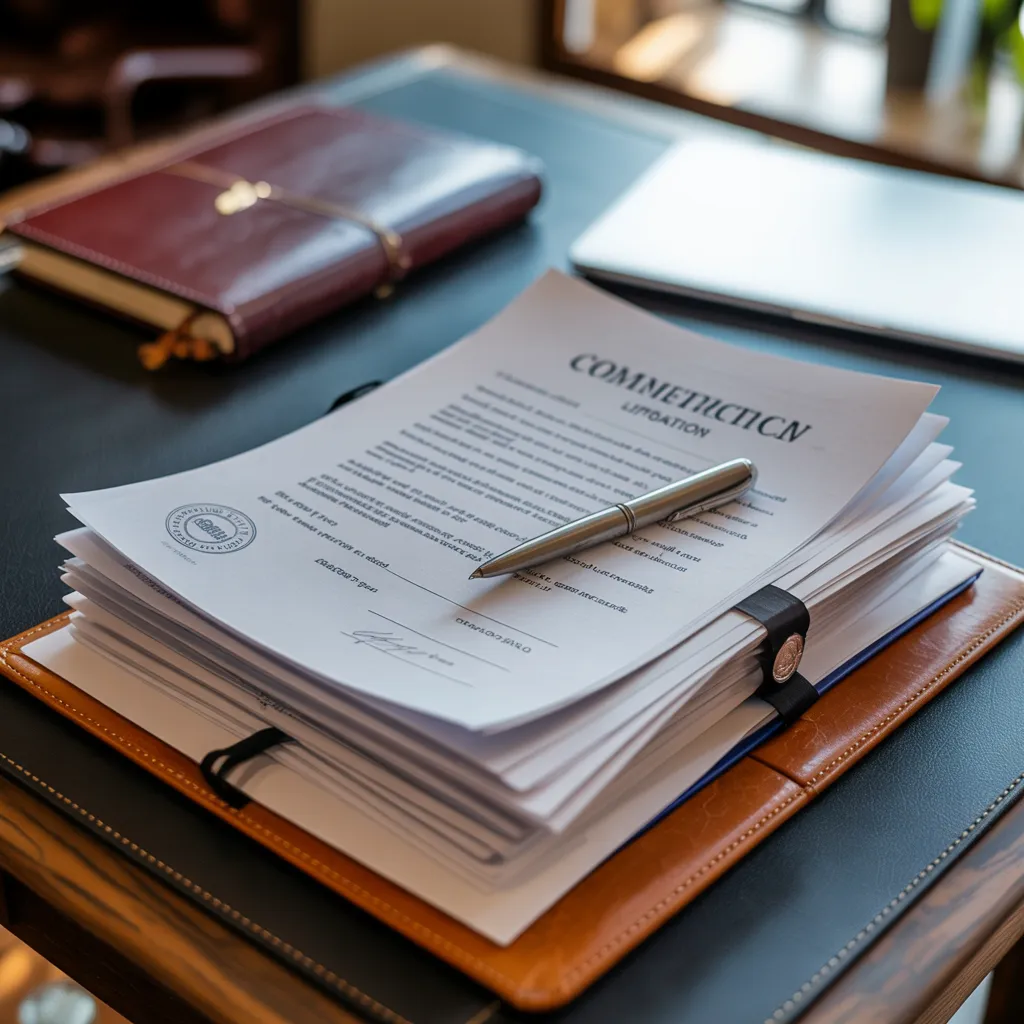
What Is a Litigation Attorney and What Are Their Responsibilities?
A litigation attorney, commonly referred to as a courtroom advocate, specializes in advocating for clients involved in legal disputes that may lead to formal court proceedings. These professionals expertly manage intricate legal systems to champion their clients' legal rights. Their responsibilities include numerous critical tasks, including performing comprehensive legal research, drafting legal documents, and developing effective plans for litigation preparation.
Litigation attorneys frequently participate in dispute resolution discussions, seeking to resolve disputes outside the courtroom when possible. They provide legal representation across multiple practice areas, like family law, personal injury cases, and commercial disputes. Furthermore, they collect evidence, question witnesses, and develop compelling cases for courtroom presentation.
Competent litigation lawyers demonstrate exceptional communication and analytical abilities, allowing them to analyze complex matters and perform effectively under pressure. Their knowledge comprehensive resource not only helps clients comprehend their legal entitlements but also delivers crucial direction across the entire litigation journey, guaranteeing well-informed decision-making.
The Litigation Process Outlined
The litigation process is made up of several key stages designed to guide all parties through the resolution of disputes within a legal framework. Comprehending these key phases, along with the typical litigation strategies used by legal professionals, is fundamental to handling the intricacies of legal proceedings. This overview will clarify the way in which each stage contributes to the complete landscape of litigation.
Critical Stages Of Litigation
Litigation unfolds through an organized sequence of phases, each critical for the settlement of legal matters. Initially, the process begins with initial pleadings, where litigants present documentation outlining their claims and defenses. This is followed by the discovery process, a period in which both sides gather evidence through written questions, witness testimonies, and records requests. Pre-trial motions may occur next, enabling litigants to seek decisions from the court on defined questions of law. If the case proceeds, it advances to the trial stage, where arguments are made and a decision is reached. Post-trial motions can also arise, identifying procedural issues or seeking to alter the judgment. Finally, if necessary, the party that did not prevail may challenge the ruling, requesting a higher court's examination of the verdict. Every phase serves a critical purpose in reaching a conclusion.
Common Litigation Strategies
While maneuvering the intricacies of legal disputes, parties often employ various litigation strategies to bolster their stances. These strategies can include thorough research and discovery, which helps uncover essential evidence to reinforce claims or defenses. Additionally, parties may utilize pre-trial motions to eliminate baseless claims or to require the opposing party to produce documents. Mediation and settlement talks are also prevalent, allowing parties to resolve disputes amicably and potentially save on litigation costs. Moreover, effective trial presentation, including persuasive arguments and impactful witness testimonies, plays a vital role in influencing a jury's decision. Ultimately, the preferred course of action depends on the specifics of the case and the sought-after resolution, guided by the expertise of a litigation lawyer.
Common Legal Scenarios That Necessitate a Litigation Lawyer
When faced with challenging conflicts that cannot be resolved through mediation, individuals and businesses frequently require the services of a litigation lawyer. Common scenarios that require this level of legal knowledge encompass contract disagreements, where disagreements arise over contractual terms, leading to potential financial loss. Workplace-related matters, such as wrongful termination or discrimination claims, often necessitate legal proceedings to secure just results. Additionally, bodily harm claims, where victims pursue financial recovery for losses caused by carelessness, often involve legal action against responsible parties. Moreover, real estate disputes, like deed complications or tenant-landlord disagreements, commonly demand court proceedings. Intellectual property misappropriation, such as trademark or copyright violations, is another area that demands a litigation lawyer's intervention. In these situations, professional legal counsel is vital to address the challenges of the court system and champion the client's legal entitlements.
The Benefits of Hiring a Litigation Lawyer
Managing the complexities of litigation matters often demands expert guidance, making the recruitment of a litigation lawyer a wise decision. These experts bring specialized knowledge and experience that can greatly affect the resolution of a case. Their understanding of legal procedures ensures that all necessary filings are processed correctly and on time, minimizing the risk of technical oversights that could jeopardize a client's position.
Furthermore, litigation lawyers are highly capable professionals who can speak effectively for their clients, whether in settlement negotiations or court proceedings. Their capacity to assess the available evidence and develop strong legal arguments is crucial in constructing a convincing case. Furthermore, having a litigation lawyer can alleviate the stress associated with court proceedings, allowing clients to focus on other aspects of their lives. In the end, the expertise and support provided by litigation lawyers can improve the likelihood of a favorable resolution, making them essential advocates in litigation matters.
How to Find the Right Litigation Lawyer for Your Needs
Picking the best litigation lawyer can significantly affect the conclusion of a case. First, potential clients should assess the lawyer's expertise in the particular area of law applicable to their case, whether it be commercial, personal injury, or another domain. A lawyer's history with similar cases can reveal their capabilities.
Next, individuals should evaluate the lawyer's availability and communication style. Clear and open communication is vital for gaining a clear understanding of the legal process while ensuring that all concerns are promptly addressed.
Additionally, it is advisable to examine the legal professional's standing within the legal industry. Client reviews and peer endorsements can present meaningful perspectives.
In closing, talking about costs beforehand is crucial to eliminate potential disputes afterward. By weighing these aspects thoughtfully, individuals can reach a well-informed conclusion, ultimately selecting a litigation lawyer who aligns with their needs and objectives.

What You Can Expect During Your First Consultation With a Litigation Lawyer?
Throughout the opening consultation with a litigation lawyer, clients should be prepared to provide a comprehensive summary of their legal matter. This session further offers an occasion to explore the framework of legal charges and any possible costs that may arise. Understanding these elements is essential for clients to navigate the legal process effectively.
Developing Your Case Overview
Navigating the first meeting with a litigating attorney can be a pivotal step in preparing a case. During this appointment, clients need to present a thorough and organized overview of their circumstances. This includes details about the circumstances that led to the dispute, key dates, and any pertinent documents. The legal counsel will likely ask probing questions to develop a deeper understanding of the matter. It is essential for clients to be forthcoming and open about all information, as this helps the attorney determine the potential of the case. Additionally, clients should prepare to discuss their objectives and desired outcomes, ensuring that everyone is in agreement about the overall legal approach going forward.
Exploring Legal Fees Structure
Grasping the structure of legal fees is crucial for clients meeting with a litigation lawyer for the first time. During the initial consultation, clients can look forward to a thorough explanation of the range of fee options, which may include hourly rates, flat fees, or contingency fees. The legal professional should explain what services are encompassed and any supplementary charges that may come up, such as filing fees or costs for expert witnesses. Clients are urged to ask inquiries about retainer fees and payment arrangements. Clarity throughout this dialogue helps establish trust and ensures clients are informed about their monetary obligations. Ultimately, comprehending the cost arrangement allows clients to make informed decisions about their choice of legal counsel.
Commonly Asked Questions
How Much Do You Usually Pay to Hire a Litigation Lawyer?
Retaining a litigation attorney typically costs between $200 to $500 per hour, based on experience and location. Certain attorneys may provide fixed fees or contingency fee structures, particularly for specific cases, affecting total expenses in a meaningful way.
Can I Represent Myself in a Litigation Case?
Absolutely, someone can serve as their own counsel in a litigation case, referred to as "pro se" representation. Nevertheless, working through complex legal matters without professional assistance may lead to undesirable consequences, making engaging an attorney generally suggested for successful representation.
What Are the Consequences of Failing to Hire a Litigation Lawyer?
Failing to hire a litigation lawyer carries substantial risks, including a lack of proper legal understanding, critical procedural mistakes, diminished legal arguments, and a heightened risk of an unfavorable case outcome. Individuals may struggle to navigate complexities, which can ultimately compromise their ability to achieve a favorable result.
How Long Does a Litigation Case Typically Take?
A legal case usually spans anywhere from a few months to several years, influenced by the complexity of the matter, court scheduling, and each party's willingness to negotiate. Elements including gathering and reviewing evidence and preparing for trial also greatly influence duration.
What Should I Prepare for My First Appointment With an Attorney?
When meeting with a lawyer for the first time, individuals should bring relevant documents, including contracts, correspondence, and any evidence related to their case, as well as a prepared list of questions and their personal identification.
Comments on “Alex Bartko Attorney Atlanta: Top Lawyer”